

Successful Cases
Wuhan Haichen Industrial Control assists the winery's storage system
The intelligent temperature control system of the legal effect warehouse in the brewing workshop of a certain Guizhou distillery is the core supporting control system project of the three-dimensional fermentation warehouse.
The intelligent temperature control system of the warehouse and the environmental control system include warehouse temperature control and CO 2 concentration control. It precisely regulates the air and water systems to achieve continuous temperature adjustment between 26°C and 30°C in the warehouse area, with gentle airflow and temperature field uniformity within 2.5°C, CO 2 concentration not exceeding 800 PPM, without affecting the original humidity state.
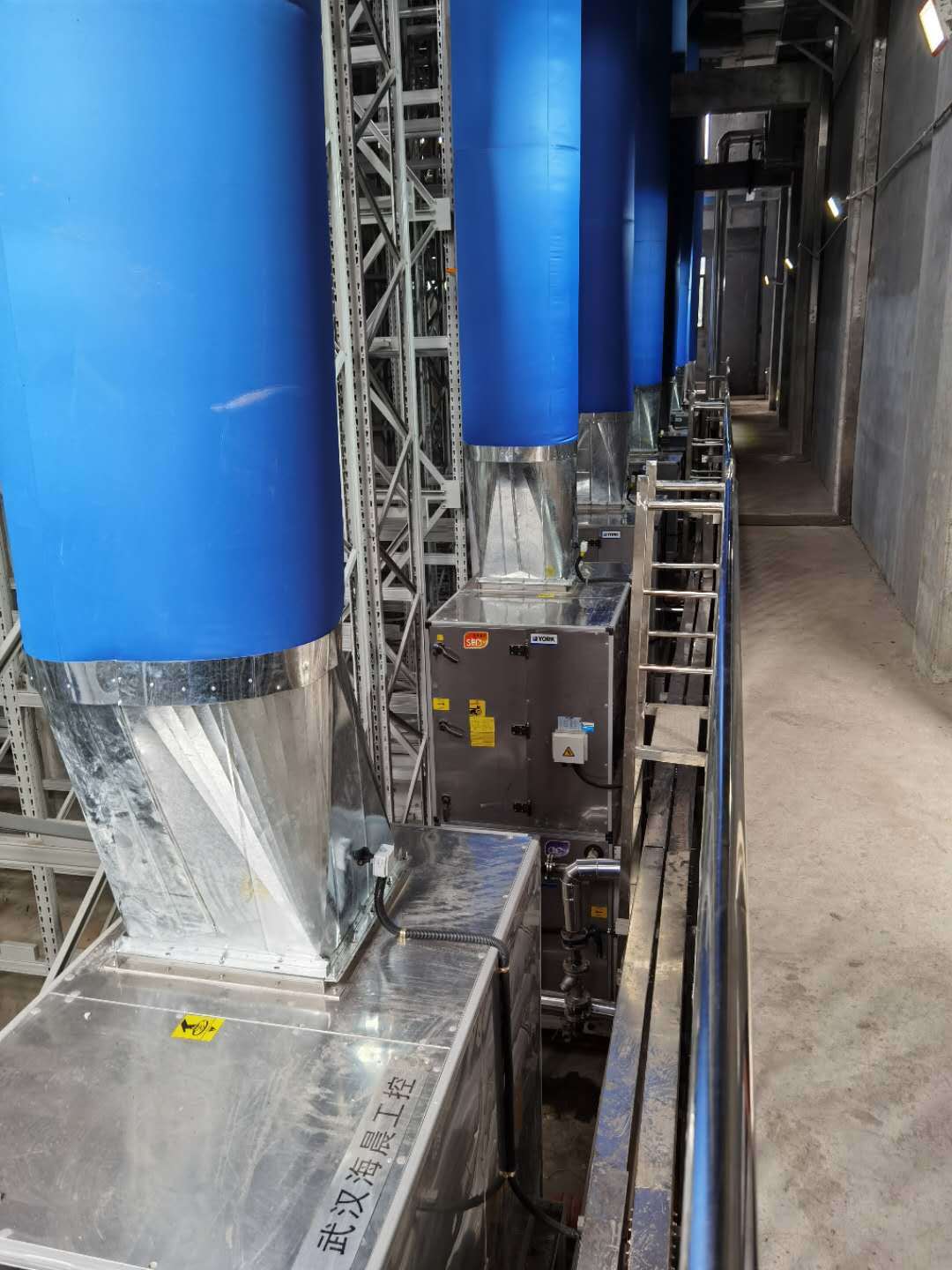
The intelligent environmental temperature control system project for the three-dimensional fermentation warehouse is an important part of the pilot workshop fermentation warehouse, consisting of six parts: air system, water system, heat source system, environmental control system, energy medium metering system, and data center.
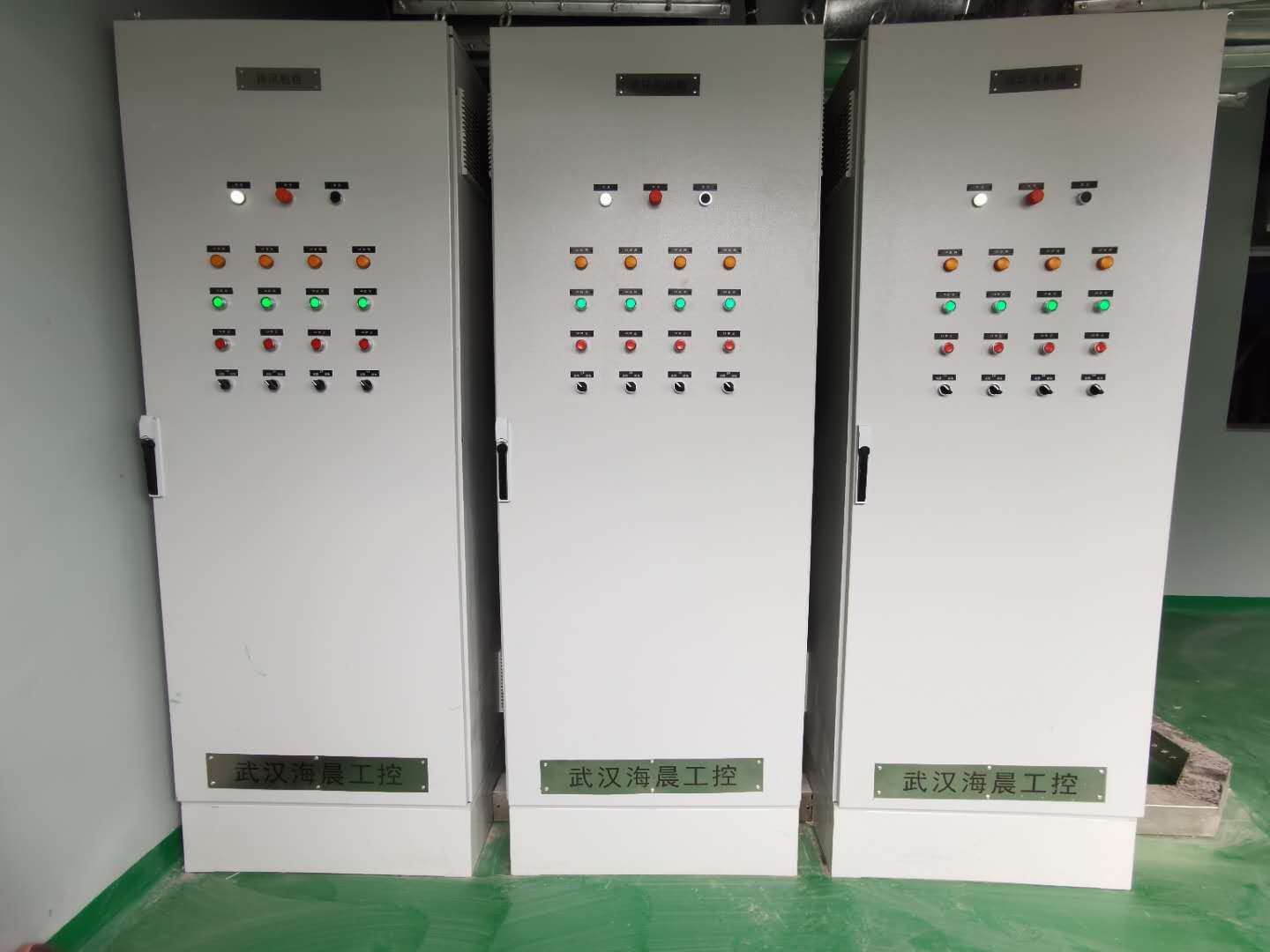
The control system uses Siemens 1500 series PLC as the control core, combined with human-machine interface and G120 series frequency converters to control all equipment units within the system. All automation equipment uses PROFINET interface, making the system easy to expand. The system has both on-site control and remote centralized control functions. The backbone network of the six major systems adopts a fiber optic ring network structure to ensure system efficiency and stability.
The automation control system collects relevant data such as air temperature and humidity in the warehouse area, pressure inside the air supply pipe, CO 2 concentration, circulating water temperature, and inlet and outlet temperatures of the air cabinet system, to precisely regulate the air and water systems, ensuring certain environmental requirements in the warehouse area.
It provides an intelligent fermentation environment for liquor brewing, offering convenient conditions such as controllable temperature, adjustable environment, manageable data, and traceable production, while improving liquor quality and yield!
Previous:


Copyright © Wuhan Haichen Industrial Control Technology Co., Ltd.
Website Construction:Zhongqi Cross-border Wuhan
This website supports dual access via IPV4 / IPV6
Email:
Tel:
Mobile:
在线客服添加返回顶部
右侧在线客服样式 1,2,3 3
图片alt标题设置: Wuhan Haichen Industrial Control Technology Co., Ltd.
表单验证提示文本: Content cannot be empty!
CSS / JS 文件放置地